Aboriginal Health Taree
Second Clinic in Harrington, Servicing the Manning Valley
Easy Online Booking
Secure your next appointment in just a few clicks. Our online booking system lets you choose a time that suits you, day or night.
Bulk Billing Practice
We're a Medicare bulk billing practice, helping keep quality healthcare accessible and affordable for our patients.
New Patients Welcome
Looking for a new GP? We're accepting new patients at both our Taree and Harrington clinics — everyone is welcome.
Welcoming Care on Biripi Country
The Manning Valley sits on Biripi country, and healthcare here should reflect that. At HealthHub Taree and Harrington, our GPs provide Aboriginal health services for Aboriginal and Torres Strait Islander people in Taree and the surrounding communities, delivering care that respects culture and makes full use of the Medicare supports available.
That includes the annual health check for Aboriginal and Torres Strait Islander people, a comprehensive, no-cost assessment available at any age, along with everyday GP care, chronic condition management, immunisations and mental health support. Our doctors also connect eligible patients with practical supports such as cheaper medications through the Closing the Gap PBS scheme and expanded access to allied health services.
Everyone is welcome here, and our team works to make every visit comfortable from the moment you arrive. Appointments are available at both our Taree and Harrington clinics with online booking and Medicare bulk billing.
Call (02) 6552 5533 to book with one of our GPs.
Frequently Asked Questions
What is a 715 health check?
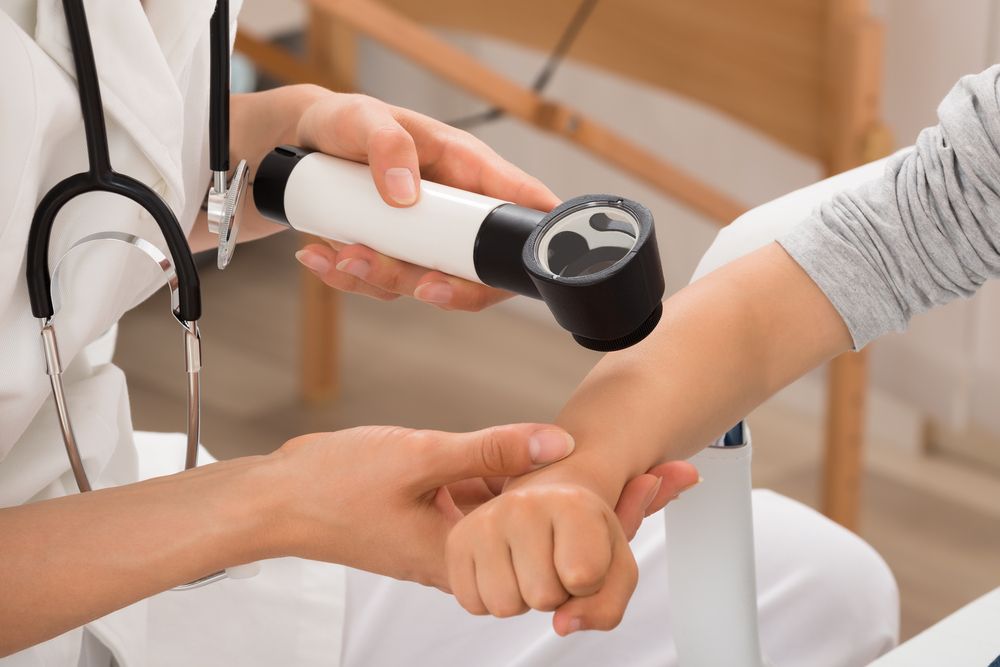
The 715 health check — named after its original Medicare item number — is the annual health assessment available at no cost to all Aboriginal and Torres Strait Islander people, from babies through to elders. It's a comprehensive review covering physical health, social and emotional wellbeing and the preventative care relevant to each life stage, and it's typically delivered by a GP and practice nurse together across a longer appointment.
Depending on age, the check may cover growth and immunisations for children, lifestyle factors and chronic disease risk for adults and mobility, memory and medications for older people, alongside standard measures such as blood pressure, blood sugar and heart health. The check matters beyond the appointment itself — completing one unlocks follow-on Medicare services, including subsidised allied health visits and follow-up care from practice nurses and Aboriginal health practitioners. Bulk billing practices provide the assessment with no out-of-pocket cost, and one is available every nine to twelve months.
What is the Closing the Gap PBS Co-payment?
The Closing the Gap (CTG) PBS Co-payment Program reduces the cost of prescription medicines for eligible Aboriginal and Torres Strait Islander people. Once registered, patients who would normally pay the general PBS rate instead pay the concessional rate, and patients who already hold a concession card pay nothing for their CTG-annotated scripts. The reduction applies at any community pharmacy in Australia.
Registration is a one-off process arranged through a medical practice — a GP or eligible health professional registers the patient with Services Australia, and from then on prescriptions can be written with the CTG annotation. Eligibility extends to Aboriginal and Torres Strait Islander people of any age who would face financial barriers to filling scripts, and since 2021 registration is no longer restricted by geography or chronic disease status. For anyone managing a condition that requires regular medication, the saving compounds quickly — it's worth asking a GP about registration at the next visit.
How many allied health visits can Aboriginal patients access?
Aboriginal and Torres Strait Islander patients can access up to ten individual Medicare-subsidised allied health services per calendar year — double the five available under standard arrangements. These visits cover services such as physiotherapy, podiatry, dietetics, exercise physiology, psychology, audiology and diabetes education, with the mix determined by clinical need.
Access flows through a GP: following an Aboriginal and Torres Strait Islander health assessment or under a chronic condition care plan, the doctor refers directly to the relevant services, and patients can choose their preferred providers. The ten-visit allocation resets each calendar year regardless of when the referral was written. Separate to these, additional follow-up services from practice nurses or Aboriginal and Torres Strait Islander health practitioners are also available after a health assessment. Rebates may not always cover a provider's full fee, so it's worth confirming billing when booking each service — though many providers bulk bill patients referred under these arrangements.
Supporting Aboriginal Health
Medicare provides Aboriginal and Torres Strait Islander patients with several supports that go further than standard arrangements, and a GP who knows the pathways can help you access them. The annual health assessment is a thorough review of physical, social and emotional wellbeing that helps identify concerns early and provides access to follow-on services, including up to ten Medicare-subsidised allied health visits per calendar year, double the standard allocation.
Medication costs are reduced as well. Under the Closing the Gap PBS arrangements, eligible patients registered through the practice pay the concessional rate for scripts, or nothing at all for those who already hold a concession card. For patients managing chronic conditions such as diabetes, heart disease or kidney disease, our doctors provide structured care planning and regular reviews, with follow-up support available from practice nurses between appointments.
Early, consistent healthcare supports better long-term health, and every check-up, script and review is easier when you feel welcome. Our doctors take the time to listen and to work with each patient on their own terms.
Send Us a Message
Thank you for contacting HealthHub Taree.
We will get back to you as soon as possible.
Oops, there was an error sending your message.
Please try again later.