Easy Online Booking
Secure your next appointment in just a few clicks. Our online booking system lets you choose a time that suits you, day or night.
Bulk Billing Practice
We're a Medicare bulk billing practice, helping keep quality healthcare accessible and affordable for our patients.
New Patients Welcome
Looking for a new GP? We're accepting new patients at both our Taree and Harrington clinics — everyone is welcome.
Hearing Assessments & Support
Hearing loss usually develops gradually, which is exactly why it goes unaddressed for so long. At HealthHub Taree, our allied health audiologist from The Clear Ear Clinic provides hearing services for patients at our clinic in Taree, covering hearing assessments, advice on hearing health and support for the hearing changes that affect daily life, conversation and connection with others.
Untreated hearing loss carries consequences beyond missed words, affecting communication, social participation and safety, and research links it to social withdrawal and cognitive load in older adults. Assessment establishes exactly what your hearing is doing, and from there the options can be discussed properly, whether that's monitoring, communication strategies, hearing devices or medical review.
Having audiology within a general practice helps, since some hearing problems have medical causes your GP can address directly, from wax build-up to ear infections, and the referral works both ways in the same building. Book your Taree audiology appointment online with the Clear Ear Clinic.
Frequently Asked Questions
How do I know if I need a hearing test?
The signs tend to appear in specific situations before they're obvious everywhere. Common indicators include asking people to repeat themselves regularly, difficulty following conversations in noisy places such as restaurants and family gatherings, needing the television louder than others prefer, trouble hearing on the phone, a sense that people mumble and ringing or buzzing in the ears. Family members often notice before the person does, so repeated comments from others about your hearing count as a sign in themselves.
Beyond symptoms, some situations warrant testing regardless: a history of significant noise exposure through work or recreation, sudden hearing change in one or both ears, which needs prompt medical attention, ear pain or discharge and simply reaching older age, since hearing checks from around 60 make changes easier to track. A baseline test is worthwhile even with no concerns, as future comparisons become far more informative when an earlier result exists.
What causes hearing loss in adults?
Adult hearing loss falls into two broad categories. Sensorineural hearing loss involves the inner ear or hearing nerve, with age-related change and noise exposure the two most common causes, alongside some medications, certain illnesses and hereditary factors. It's usually permanent, typically affects both ears gradually and is the type most often helped by hearing devices. Noise-related damage is cumulative and preventable, which is why hearing protection around machinery, firearms, power tools and loud music genuinely matters at any age.
Conductive hearing loss involves the outer or middle ear, where sound is physically blocked or dampened. Causes include wax build-up, ear infections, fluid behind the eardrum, a perforated eardrum and problems with the middle ear bones. Many conductive causes are medically treatable, sometimes as simply as professional wax removal, which is one reason assessment matters: it distinguishes hearing loss that needs a device from hearing loss a doctor can fix. Mixed hearing loss, involving both types, also occurs.
Do I need a referral to see an audiologist?
No referral is needed to book a hearing assessment privately; audiologists are directly accessible, and you can simply make an appointment. Referrals and eligibility matter mainly for funding. The Australian Government's Hearing Services Program provides free or subsidised hearing services and devices to eligible people, principally pensioner concession card holders, DVA card holders and some other groups, with applications straightforward and support available to complete them.
Beyond that program, private health insurance extras cover often contributes to hearing tests and devices depending on the policy, NDIS funding applies for eligible participants whose hearing needs relate to their plan and standard private appointments are available to everyone else. GPs also refer patients directly when hearing concerns arise during other care, and medical review runs the other way when testing uncovers something needing a doctor. If cost is the barrier holding you back from a test, ask about eligibility when booking, as more people qualify for subsidised care than realise it.
What a Hearing Assessment Can Involve
A hearing assessment is painless, straightforward and typically takes 60 minutes or less. It begins with a conversation about your hearing history, the situations where you notice difficulty, any ringing in the ears, noise exposure through work or recreation and relevant medical history, since medications and health conditions can affect hearing.
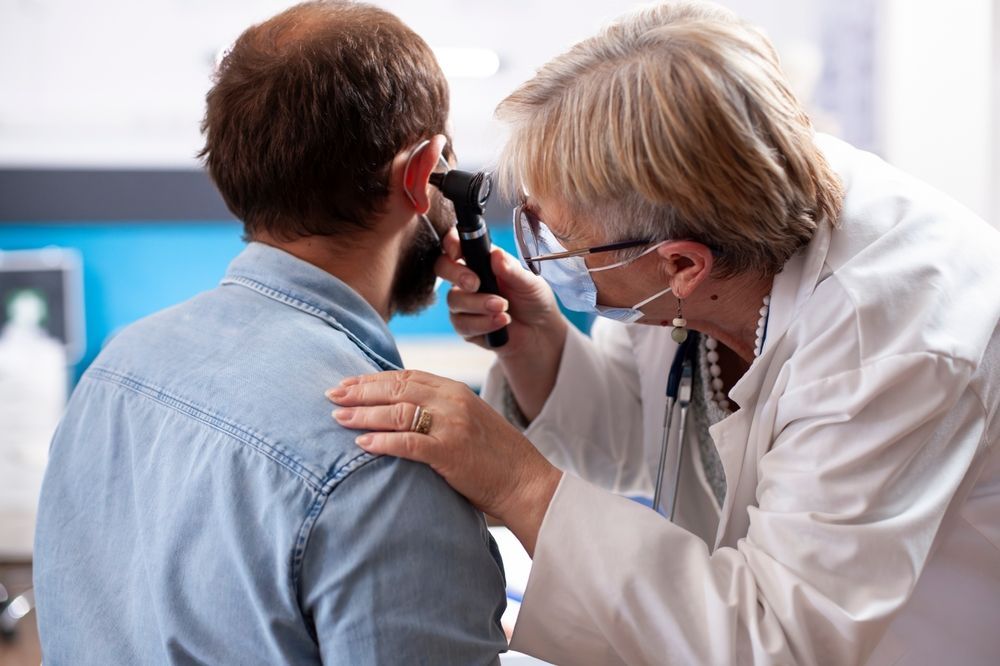
Testing follows in a controlled environment. Standard assessment includes checking the ear canal and eardrum, pure tone audiometry, where you respond to tones at different pitches and volumes to map your hearing thresholds, and speech testing, which measures how well you understand words rather than simply detect sound. Additional tests assess how the middle ear is functioning where indicated.
Results are explained on the spot with your audiogram in front of you, showing what you hear well and where difficulty sits. Recommendations follow from the findings, which might mean reassurance and a future recheck, referral to your GP for a medical issue, communication strategies or a discussion of hearing devices where they'd genuinely help. Nothing proceeds without your understanding of why.
Send Us a Message
Thank you for contacting HealthHub Taree.
We will get back to you as soon as possible.
Oops, there was an error sending your message.
Please try again later.
Susan Robertson
The Clear Ear Clinic | Audiologist, Micro-suction Wax Removal
MACAud
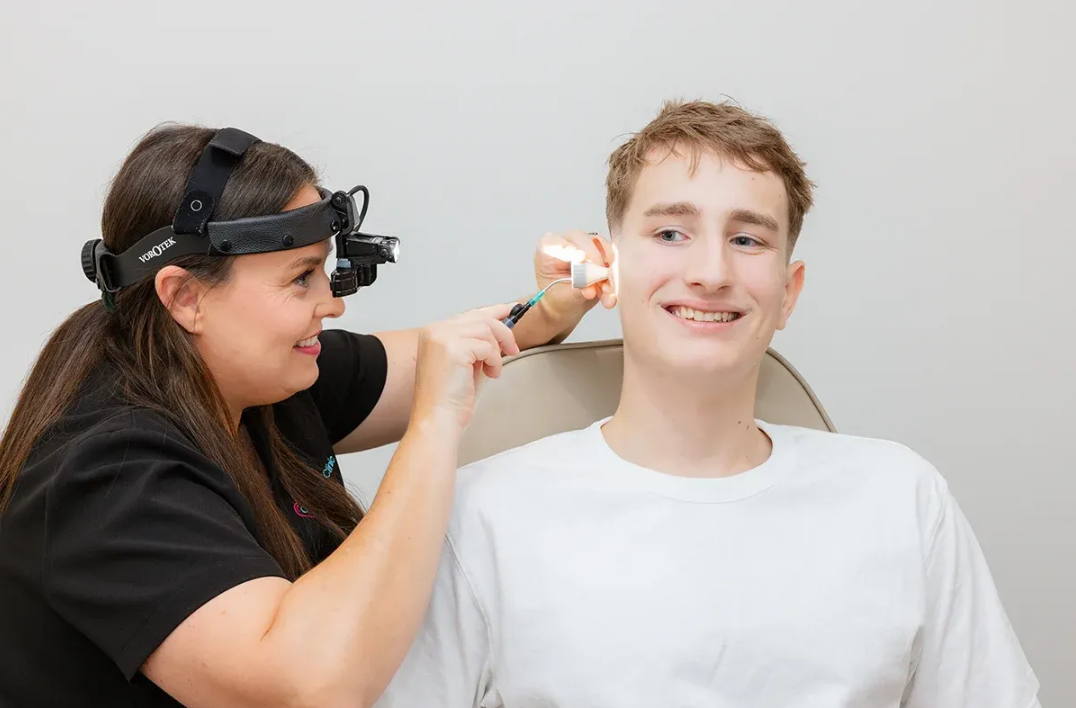
The Clear Ear Clinic offers a safe and effective alternative to ear syringing. Our micro-suction equipment provides gentle suction to professionally remove earwax. The earwax doesn’t need to be softened before the appointment, and the procedure is safe for all ages. Call 1300 410 150 or book online at
clearearclinic.com.au
Hastings Macleay Speech Pathology
Carly is the Principal Speech Pathologist and Director at HM Speech. Carly and her team have a clinic in Port Macquarie and are also now coming to Taree Health Hub on Monday offering their specialist services to the community of the Manning Valley.
Our Philosophy:
Supporting connection, communication, and safe mealtimes across the lifespan.
Guided by compassion and the latest ethical and evidence-based practices, we empower our clients, families and communities to achieve their communication and/or swallowing goals and enhance their overall well-being.
For more information, head to our website
www.hmspeech.com.au.
Adult & Aged Care Speech Pathology Services
- Parkinson's disease programs - One-on-one voice treatment, swallowing intervention and group-based supports.
- Swallowing and communication intervention in neurodegenerative conditions – Motor Neuron Disease, Multiple System Atrophy.
- Dementia communication support for clients, and Communication Partner Training (CPT) for family and carers.
- Voice disorders – e.g. Glottic insufficiency, muscle tension dysphonia, functional neurological disorder, presbyphonia, vocal fold paralysis.
- Upper airway disorders, including Inducible Laryngeal Obstruction (ILO) and chronic cough.
- Motor speech disorders including dysarthria & apraxia (often occurring in head and neck cancer, post-stroke, or in Parkinson's disease.
- Adult onset stuttering & fluency.
- Swallowing disorders (dysphagia) and mealtime management plans.
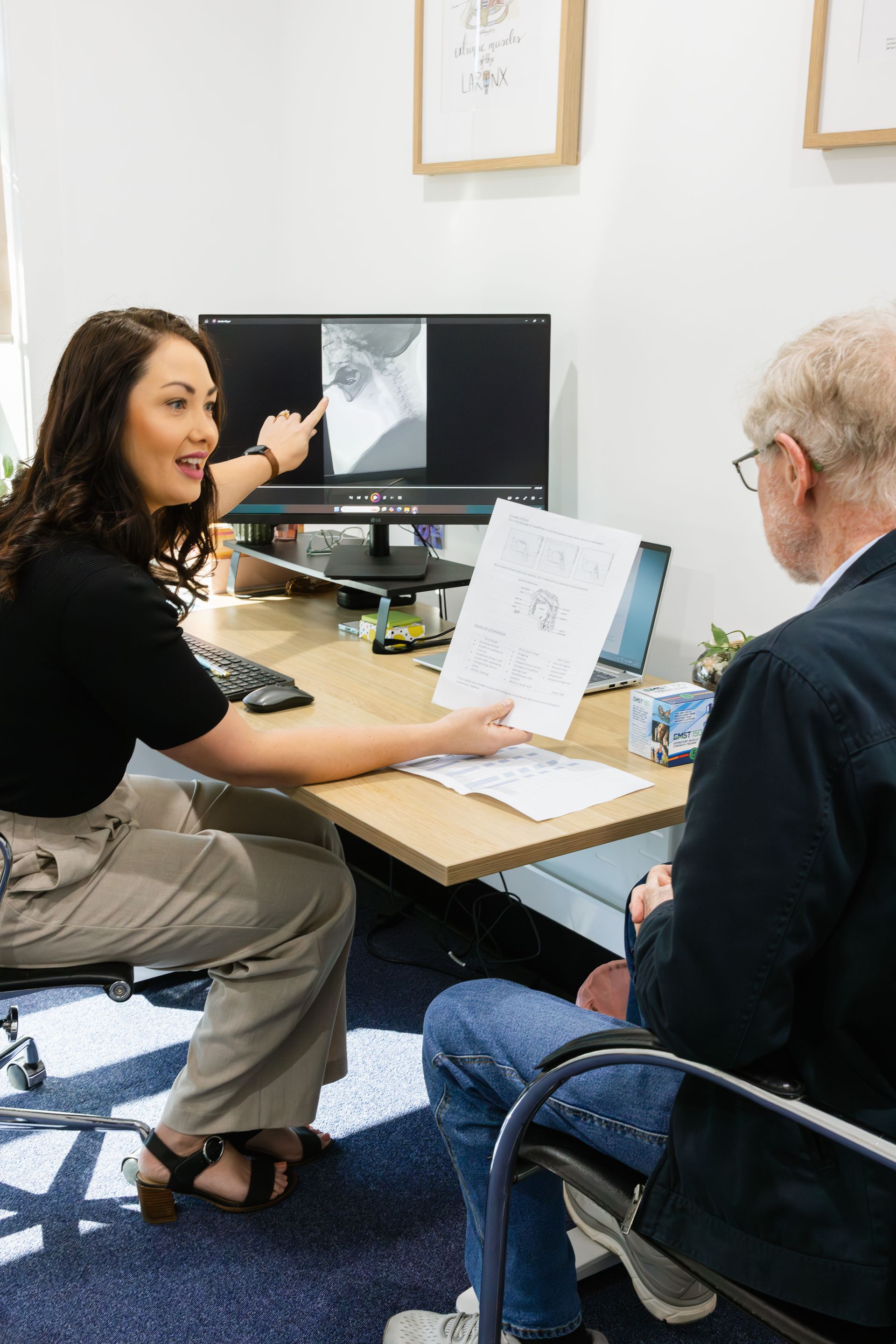
- Flexible Endoscopic Evaluation of Swallow (FEES) & Videofluoroscopic Swallow Studies (VFSS).
- Augmentative and alternative communication (AAC) & language difficulties, often occurring post-stroke, in neurological disease, disability and Dementia.
- Aged care facility visits including dysphagia management, staff education and competency-based learning for staff in IDDSI and mealtimes.
- Voice workshops for teachers and other professional voice users..
Referrals & Contact Information:
We welcome referrals from carers or client's themselves, GP's, specialists, ENT's, Aged Care Services, NDIS, DVA and Aged Care Facilities.
You can phone us to make a referral, complete our online referral form, or simply send us a letter outlining the reason for referral along with any relevant medical background and information.
Website:
Email:
reception@hmspeech.com.au
Phone:
02 7238 9050
Fax:
+61 2 6526 2883
Address:
89 Lake Road,
Port Macquarie NSW 2444
Health Hub Taree
15 Butterworth Lane,
Taree NSW 2430