Dietitian Taree
Easy Online Booking
Secure your next appointment in just a few clicks. Our online booking system lets you choose a time that suits you, day or night.
Bulk Billing Practice
We're a Medicare bulk billing practice, helping keep quality healthcare accessible and affordable for our patients.
New Patients Welcome
Looking for a new GP? We're accepting new patients at both our Taree and Harrington clinics — everyone is welcome.
Personalised Nutrition for Your Health
Food is one of the most influential factors in long-term health, and professional guidance makes changing it far more achievable. At HealthHub Taree, our dietitian provides nutrition consultations for patients in Taree, offering practical, evidence-based advice tailored to your health, lifestyle and goals rather than generic meal plans.
Dietitian support helps with a wide range of concerns, including weight management, diabetes, heart health, digestive conditions, food intolerances and nutrition through different life stages. Because our dietitian works alongside your GP in the same practice, referrals are straightforward, your care stays coordinated, and progress is shared with your doctor.
Eligible patients with a chronic condition may access Medicare rebates for dietitian visits through a care plan prepared by their GP, which is worth discussing at your next appointment. Call (02) 6552 5533 to book a dietitian consultation at our Taree practice.
Frequently Asked Questions
What is the difference between a dietitian and a nutritionist?
In Australia, the difference comes down to regulation and qualifications. Accredited Practising Dietitian (APD) is a protected credential requiring an accredited university degree, supervised clinical training and ongoing professional development under Dietitians Australia's standards. Dietitians are qualified to provide medical nutrition therapy, meaning they can safely manage nutrition for medical conditions such as diabetes, kidney disease and gastrointestinal disorders, and they're the only nutrition professionals eligible for Medicare rebates, DVA arrangements and most private health fund benefits.
The term nutritionist, by contrast, isn't regulated in Australia, so qualifications range from university degrees to short online courses, and there's no consistent standard a consumer can rely on. Qualified nutritionists can provide general healthy eating advice, but nutrition care connected to a medical condition belongs with a dietitian, which is why GPs refer to dietitians when diet forms part of managing a diagnosed health concern.
Do I need a referral to see a dietitian?
No referral is needed to book a private appointment with a dietitian; you can simply make a booking directly. A GP referral matters when Medicare rebates are involved: patients with a chronic condition may be eligible for rebated dietitian visits under a care plan prepared by their GP, which provides Medicare rebates for up to five individual allied health services per calendar year across the services identified in the plan.
People with type 2 diabetes may also access group education services, and additional arrangements apply for Aboriginal and Torres Strait Islander patients following a health assessment. Private health insurance is the other common funding route, with many extras policies covering dietitian consultations regardless of referral. If you're unsure which applies to you, a conversation with your GP settles it quickly, and they can prepare the care plan in the same visit where eligibility exists.
What conditions can a dietitian help with?
Dietitians provide medical nutrition therapy across a broad range of conditions. Common reasons for referral include type 1 and type 2 diabetes and prediabetes, heart disease and high cholesterol, high blood pressure, weight management in both directions, digestive conditions such as irritable bowel syndrome, coeliac disease and reflux, food allergies and intolerances, kidney disease and nutritional deficiencies such as low iron or B12.
Dietitians also support people through life stages where nutrition needs shift, including pregnancy and breastfeeding, infant and childhood feeding, adolescence and older age, where maintaining weight, strength and adequate protein becomes the challenge rather than restriction. Support extends to malnutrition recovery, eating well through cancer treatment and building sustainable habits after years of cycling through restrictive diets. If food connects to a health concern in any direction, a dietitian consultation is rarely wasted, and your GP can advise whether a referral suits your situation.
What a Dietitian Consultation Involves
The first appointment is about understanding your situation. Your dietitian discusses your health history, current eating patterns, lifestyle, preferences and what you want to achieve, whether that's managing a diagnosed condition, improving energy or building sustainable eating habits. Any recent blood tests or GP notes add useful context, and having them available helps.
From there, advice is built around your actual life. Rather than handing over a rigid plan, our dietitian works with the foods you enjoy, your budget, your cooking habits and your schedule, making adjustments that are realistic to maintain. Recommendations are specific and practical, covering what to change, how to start and what to expect.
Follow-up appointments track how things are going and refine the approach as your needs change. Nutrition support works best as an ongoing process rather than a single conversation, particularly for chronic conditions where dietary management evolves alongside your medical care. Your GP stays informed throughout, keeping diet and medical treatment working together.
Send Us a Message
Thank you for contacting HealthHub Taree.
We will get back to you as soon as possible.
Oops, there was an error sending your message.
Please try again later.
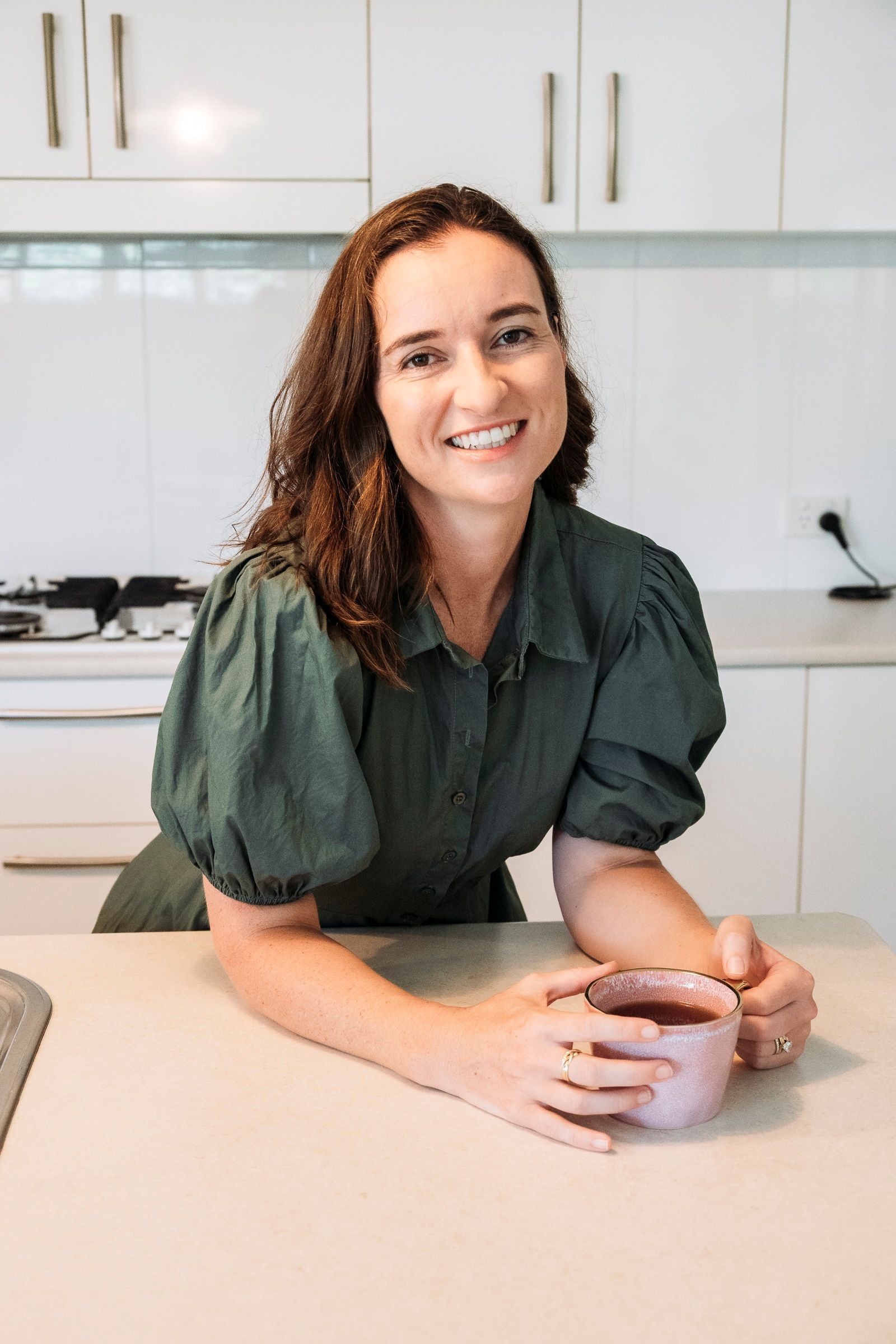
Carissa Moroney
Accredited Practising Dietitian
BND(Hons)(Newcastle), MAppSc(Sydney)
Carissa Moroney is an Accredited Practising Dietitian (APD) with more than 15 years of experience in clinical dietetics. She holds a Bachelor of Nutrition and Dietetics with Class 1 Honours, a Masters of Applied Science (Research) and a Postgraduate Certificate in Paediatric Nutrition. As a mother of two, Carissa combines clinical expertise with a practical understanding of the everyday challenges individuals and families face when navigating nutrition and health concerns.
Carissa works with both children and adults across all stages of life, recognising that nutritional needs evolve over time and that personalised care is essential. She is committed to providing evidence-based, compassionate support that empowers people to improve their health, wellbeing, and quality of life.
Body Composition Assessment
Carissa also offers Body Composition Assessment using Bioelectrical Impedance Analysis (BIA). This clinical assessment provides valuable insights beyond body weight alone, measuring factors such as muscle mass, body fat, hydration status, and mineral content. Monitoring these measures over time can help you better understand your metabolic needs, track meaningful changes in your health, and guide personalised nutrition strategies to support your goals.
Areas of Clinical Practice
Children and Adolescents
- Faltering growth and infant growth concerns
- Infant tube feeding and enteral nutrition support
- Eating disorders and disordered eating
- Fussy eating and improving food variety
- Constipation and other gastrointestinal concerns
- Micronutrient deficiencies
Adults
- Chronic disease management (heart disease, diabetes, liver disease, kidney disease)
- Women's health nutrition, including perinatal, perimenopause, menopause support and PMOS.
- Nutrition support alongside GLP-1 therapy
- Bariatric surgery nutrition care
- Gastrointestinal health and gastrointestinal surgery
- Eating disorders and disordered eating
- Healthy ageing and optimising nutritional wellbeing in later life
- Nutrition support during recovery from illness, surgery, and malnutrition
- Nutrition care throughout cancer treatment
- Enteral feeding (nutrition provided via a feeding tube)