Easy Online Booking
Secure your next appointment in just a few clicks. Our online booking system lets you choose a time that suits you, day or night.
Bulk Billing Practice
We're a Medicare bulk billing practice, helping keep quality healthcare accessible and affordable for our patients.
New Patients Welcome
Looking for a new GP? We're accepting new patients at both our Taree and Harrington clinics — everyone is welcome.
Dedicated Women's Pelvic Health Care
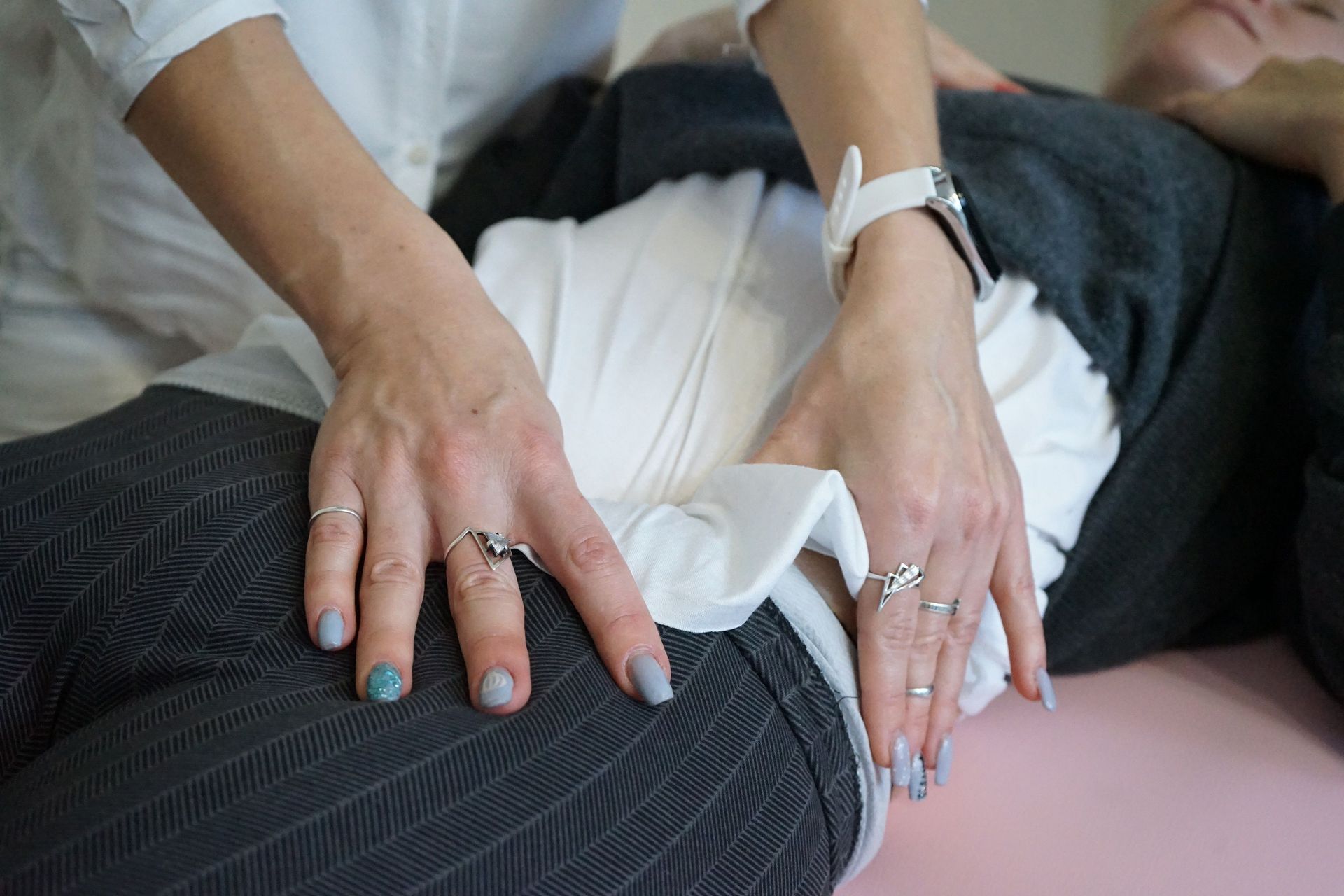
Pelvic health concerns affect a large proportion of women at some stage of life, yet many put up with symptoms for years before seeking help. At HealthHub Taree, our women's pelvic health service provides assessment and treatment for patients in Taree, addressing concerns including bladder and bowel control, pelvic floor weakness, pregnancy-related changes and pelvic pain in a private, respectful setting.
These are treatable conditions, not inevitable parts of ageing or motherhood, and evidence-based treatment helps many women reduce or resolve symptoms that have quietly limited their lives. Care is provided by a practitioner with specific training in pelvic health, working alongside our GPs so your care stays connected.
Appointments are unhurried, conversations remain confidential, and nothing you raise will be dismissed as too minor or too awkward. Call Physio Collective MNC on (02) 5505 4994 or visit www.physiocollectivemnc.com.au to book a women's pelvic health appointment at our Taree practice.
Frequently Asked Questions
What does a pelvic floor physiotherapist do?
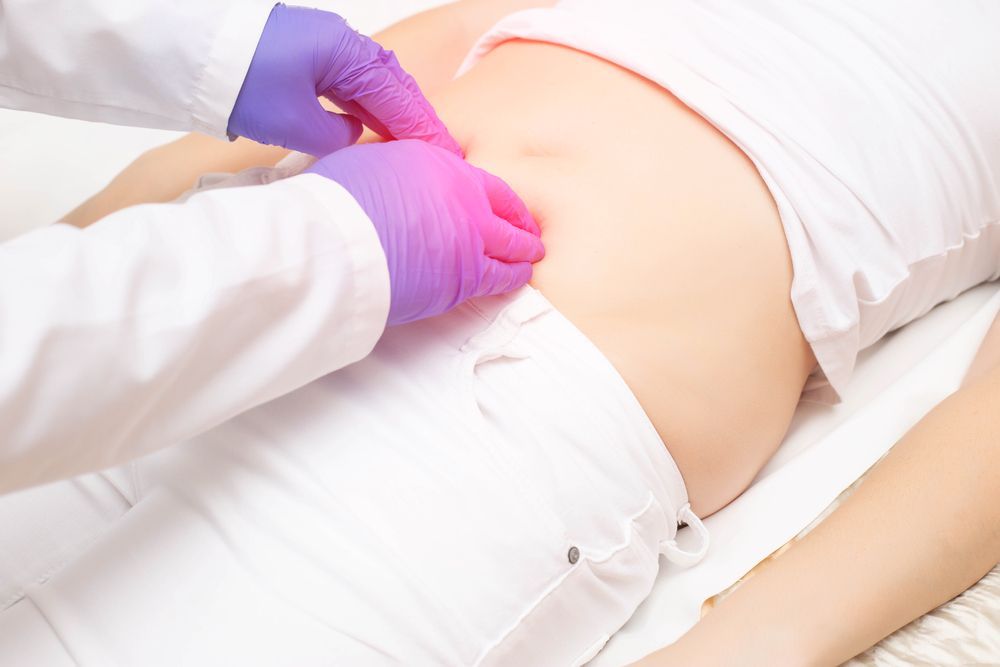
A pelvic floor physiotherapist, or pelvic health practitioner, assesses and treats conditions related to the muscles, ligaments and connective tissue supporting the bladder, bowel and uterus. Their work covers continence problems, pelvic organ prolapse, pregnancy and postnatal recovery, pelvic pain and preparation for or recovery from gynaecological surgery. Treatment is conservative, meaning non-surgical, and centres on accurate assessment followed by individually tailored treatment.
A typical program may include pelvic floor muscle training matched to your assessment findings, since weak and overactive pelvic floors need opposite approaches, bladder retraining to reduce urgency and frequency, advice on posture, lifting and exercise modification and education about bladder and bowel habits that help rather than harm. Research supports pelvic floor muscle training as first-line treatment for stress incontinence and prolapse symptoms, which is why GPs commonly recommend conservative treatment before considering surgical options.
Is bladder leakage normal after having a baby?
It's common, affecting roughly one in three women who have given birth, but common isn't the same as something you need to accept. Leakage in the weeks after delivery reflects the significant stretch and load pregnancy and birth place on the pelvic floor, and for many women it improves as tissues recover. When leakage persists beyond the early months, worsens or affects your activities, assessment is worthwhile, because persistent symptoms respond well to structured pelvic floor rehabilitation and rarely resolve by being ignored.
A postnatal pelvic health assessment checks how your pelvic floor is functioning, identifies any muscle separation and provides a safe, staged return to exercise, which matters because returning to running or impact sport too early can worsen symptoms. Whether your baby arrived months or decades ago makes less difference than many women expect; pelvic floor treatment helps at any stage, and plenty of women successfully treat leakage that began with children now grown.
What are the symptoms of pelvic organ prolapse?
Prolapse occurs when the pelvic organs, the bladder, uterus or bowel, descend from their usual position and press against the vaginal walls. Common symptoms include a sensation of heaviness, dragging or pressure in the pelvis, a feeling of a bulge or lump in the vagina, symptoms that worsen through the day or after standing, lifting or exercise, difficulty fully emptying the bladder or bowel and discomfort during intimacy. Some women notice symptoms first during or after exercise, and severity varies considerably.
Prolapse is common, particularly after childbirth and menopause, and mild prolapse often responds well to conservative treatment including pelvic floor muscle training, symptom management strategies and modification of aggravating activities. Assessment establishes what type and degree of prolapse is present, which guides treatment. Where conservative measures aren't sufficient, options including pessary fitting and surgical referral exist, and a GP or pelvic health practitioner can explain the pathway suited to your situation.
Conditions We Assess & Treat
Bladder concerns are among the most common reasons women seek pelvic health support, including leakage with coughing, sneezing or exercise, sudden urgency and frequent trips to the toilet. Bowel control concerns, though less discussed, are assessed and treated with the same practical, judgement-free approach.
Pregnancy and childbirth place particular demands on the pelvic floor, and support is available both during pregnancy and afterwards. That includes preparing the pelvic floor for birth, managing pregnancy-related incontinence, assessment and rehabilitation after delivery and treatment for abdominal muscle separation. Prolapse symptoms, such as heaviness or a dragging sensation, are another common and manageable concern, particularly in the years after childbirth and around menopause.
Treatment is conservative and evidence-based, typically involving pelvic floor muscle assessment, individually prescribed exercise programs, bladder retraining, practical lifestyle strategies and education about how the pelvic floor works. Where symptoms need medical review or specialist input, our GPs are in the same practice, so the referral pathway runs both ways without delay.
Send Us a Message
Thank you for contacting HealthHub Taree.
We will get back to you as soon as possible.
Oops, there was an error sending your message.
Please try again later.
Physio Collective
MNC Physio | Women's Pelvic Health
Physio Collective – MNC is a women’s and pelvic health physiotherapy clinic dedicated to supporting women through every stage of life. We offer expert care in areas such as pelvic floor therapy, prenatal and postnatal health, menopause support, and management of conditions like incontinence and prolapse.
Our services include:
- Prolapse & Incontinence Conservative Management
- Pessary Fittings and Management
- Sexual & Pelvic Pain
- Postnatal Assessments & Return to Exercise Guidance
- Pregnancy Pelvic Floor Support & Birth Preparation
- Lactation Support with our IBCLC
- Pelvic Floor Trauma and Treatment
- Menopause Management
Contact Physio Collective MNC today on 5505 4994 or reach out to us via
admin@physiocollective.com.au, or via our website
www.physiocollective.com.au.