Iron Infusions Taree
Second Clinic in Harrington, Servicing the Manning Valley
Easy Online Booking
Secure your next appointment in just a few clicks. Our online booking system lets you choose a time that suits you, day or night.
Bulk Billing Practice
We're a Medicare bulk billing practice, helping keep quality healthcare accessible and affordable for our patients.
New Patients Welcome
Looking for a new GP? We're accepting new patients at both our Taree and Harrington clinics — everyone is welcome.
Restoring Iron Levels Under Supervision
Iron deficiency is one of the most common nutritional deficiencies in Australia, affecting energy, concentration and general wellbeing. At HealthHub Taree and in our second clinic in Harrington, our doctors provide iron infusions for patients in Taree, Harrington and across the Manning Valley when oral iron supplements aren't suitable, haven't been tolerated or haven't worked quickly enough for your circumstances.
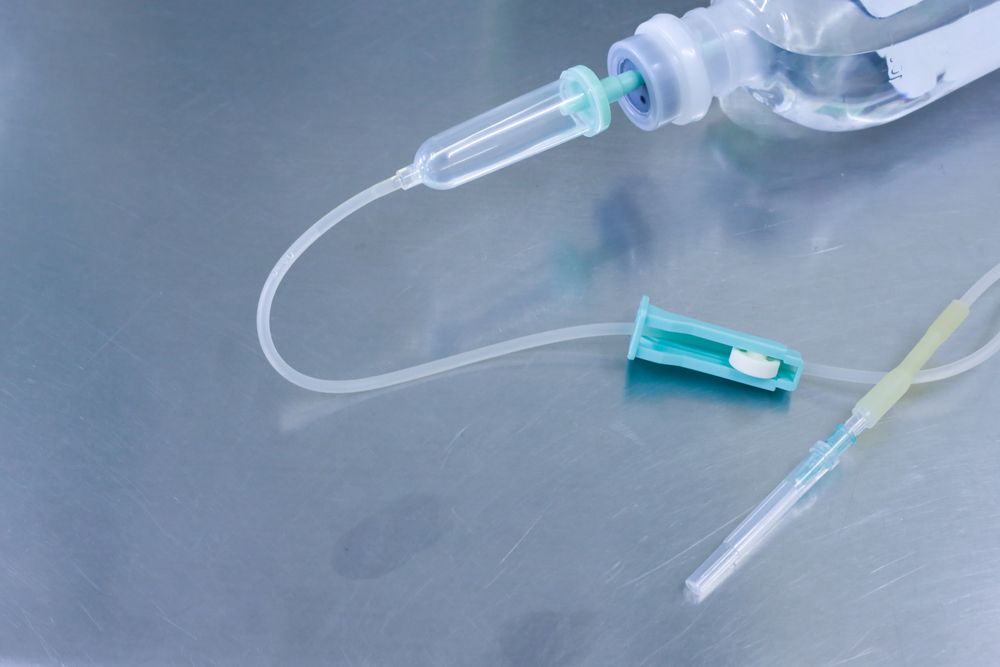
An iron infusion delivers iron directly into the bloodstream through a drip, allowing iron stores to be replenished in a single visit rather than over months of tablets. It's a prescribed medical treatment rather than a walk-in service, so your doctor first confirms iron deficiency through blood tests, investigates the underlying cause and discusses whether an infusion is the right approach for you.
The infusion itself is performed at the clinic under medical supervision, with monitoring during and after the procedure. If you've been managing low iron or ongoing tiredness, a consultation is the place to start.
Call (02) 6552 5533 to speak with one of our GPs about whether an iron infusion is suitable for you.
Frequently Asked Questions
How long does an iron infusion take?
The infusion itself typically takes 15 to 30 minutes, depending on the iron preparation used and the dose prescribed. Allow longer for the full appointment, as it includes preparation, insertion of a small cannula into a vein in your arm or hand and an observation period of around 30 minutes afterwards so staff can monitor for any reaction. Most patients are at the clinic for about an hour in total.
Modern iron preparations allow a full replacement dose to be given in a single visit for most people, although some patients need a second infusion depending on the severity of the deficiency and the formulation used. Most people can drive themselves home and return to normal activities the same day, though it's sensible to avoid strenuous exercise for the rest of the day. Your doctor confirms the specific plan for your infusion, including any follow-up blood tests to check your response.
What are the side effects of an iron infusion?
Most people tolerate iron infusions well. The more common side effects are mild and short-lived, including headache, nausea, dizziness, muscle or joint aches, a metallic taste and irritation or bruising at the injection site. Some people experience a delayed reaction with flu-like symptoms a day or two after the infusion, which usually settles without treatment within a few days.
Two less common effects are worth knowing about. The first is skin staining at the infusion site, which can occur if iron leaks from the vein into surrounding tissue; the stain is harmless but can be long-lasting, which is why staff monitor the site closely and patients should report any pain, swelling or leaking sensation immediately during the infusion. The second is allergic reaction, which is rare but can occasionally be serious, and is the reason infusions are performed under medical supervision with an observation period afterwards. Anyone who feels unwell in the days following an infusion should contact their doctor.
How quickly does an iron infusion work?
Iron enters the bloodstream immediately, but the improvement in symptoms takes longer because the body needs time to use the iron to produce new red blood cells and rebuild its stores. Many people begin noticing improved energy within one to two weeks, with the full effect typically developing over four to six weeks as haemoglobin levels rise.
Your doctor usually arranges a follow-up blood test around four to eight weeks after the infusion to confirm iron levels and haemoglobin have responded as expected. If symptoms haven't improved despite restored iron levels, further investigation may be needed, as tiredness has many possible causes beyond iron deficiency. It's also worth remembering that an infusion treats the deficiency rather than its cause, so ongoing management, whether that's dietary changes, treating a gastrointestinal condition or managing heavy periods, is part of preventing the deficiency from returning.
Why Iron Levels Matter
Iron is essential for producing haemoglobin, the protein in red blood cells that carries oxygen around the body. When iron stores run low, common symptoms include persistent tiredness, shortness of breath during everyday activity, difficulty concentrating, pale skin and reduced ability to exercise. Some people also notice frequent infections, restless legs or cravings for unusual substances such as ice.
Iron deficiency has many possible causes, including heavy menstrual periods, pregnancy, gastrointestinal conditions that reduce absorption, blood loss and diets low in iron. Identifying the cause matters as much as treating the deficiency, which is why our doctors investigate before treating, arranging further tests or referrals where the cause needs closer attention.
For many patients, oral supplements remain the first-line treatment. An infusion becomes the recommended option when tablets cause unacceptable side effects, when absorption is impaired, when iron needs to be restored quickly, such as before surgery or in later pregnancy, or when deficiency persists despite consistent supplementation. Your doctor explains the reasoning either way, so the treatment path is clear.
Send Us a Message
Thank you for contacting HealthHub Taree.
We will get back to you as soon as possible.
Oops, there was an error sending your message.
Please try again later.