Drivers Licence Medical Taree
Second Clinic in Harrington, Servicing the Manning Valley
Easy Online Booking
Secure your next appointment in just a few clicks. Our online booking system lets you choose a time that suits you, day or night.
Bulk Billing Practice
We're a Medicare bulk billing practice, helping keep quality healthcare accessible and affordable for our patients.
New Patients Welcome
Looking for a new GP? We're accepting new patients at both our Taree and Harrington clinics — everyone is welcome.
Keeping You Safely on the Road
At HealthHub Taree, our GPs conduct driver's licence medical assessments for private, commercial and older drivers, working to the national Assessing Fitness to Drive standards that apply across Australia. A driver's licence medical may be requested by Transport for NSW, required for certain licence classes or scheduled as part of the regular checks that apply to older drivers.
Whether you've received a letter requesting a medical review, you're renewing a heavy vehicle or commercial licence, or you're an older driver due for a periodic check, our doctors work through the required assessment methodically and complete the paperwork with you during the appointment.
We understand these assessments matter to your independence, and our doctors approach them with fairness and respect. The goal is to keep you driving safely for as long as possible.
Appointments are available at both our Taree and Harrington clinics. Call (02) 6552 5533 to book your driver's licence medical.
Frequently Asked Questions
What is a driver's licence medical assessment?
A driver's licence medical is a health examination that confirms whether a person meets the medical standards required to drive safely. In Australia, these standards are set out in Assessing Fitness to Drive, a national publication produced by Austroads and the National Transport Commission, which doctors use to assess drivers consistently across all states and territories.
The assessment reviews health factors that can affect driving ability — including vision, hearing, cardiovascular health, neurological conditions, diabetes, sleep disorders, musculoskeletal function and the effects of medications. Assessments are commonly required when a licensing authority such as Transport for NSW requests one, when a driver reports a medical condition, when applying for or renewing commercial and heavy vehicle licences and at set ages for older drivers. The outcome is recorded on an official medical form, and the doctor may recommend an unconditional licence, a conditional licence with requirements such as wearing glasses or regular reviews, or in some cases further specialist assessment.
At what age do you need a medical for your licence in NSW?
In NSW, drivers must have a medical assessment every year from age 75 to keep their licence. From age 85, drivers who want to keep an unrestricted licence also need to pass a practical driving assessment every two years, or they can choose to switch to a modified licence that limits driving to a local area without the practical test.
Transport for NSW writes to drivers when their assessment is due, and the completed medical form must be returned before the deadline to avoid licence suspension. Commercial drivers face earlier and more frequent requirements — for example, bus drivers and other public passenger vehicle drivers need regular medicals throughout their working life regardless of age. Drivers of any age can also be asked to complete a medical if a condition is reported that may affect their driving, so the age-based schedule isn't the only trigger.
What do they check in a driving medical?
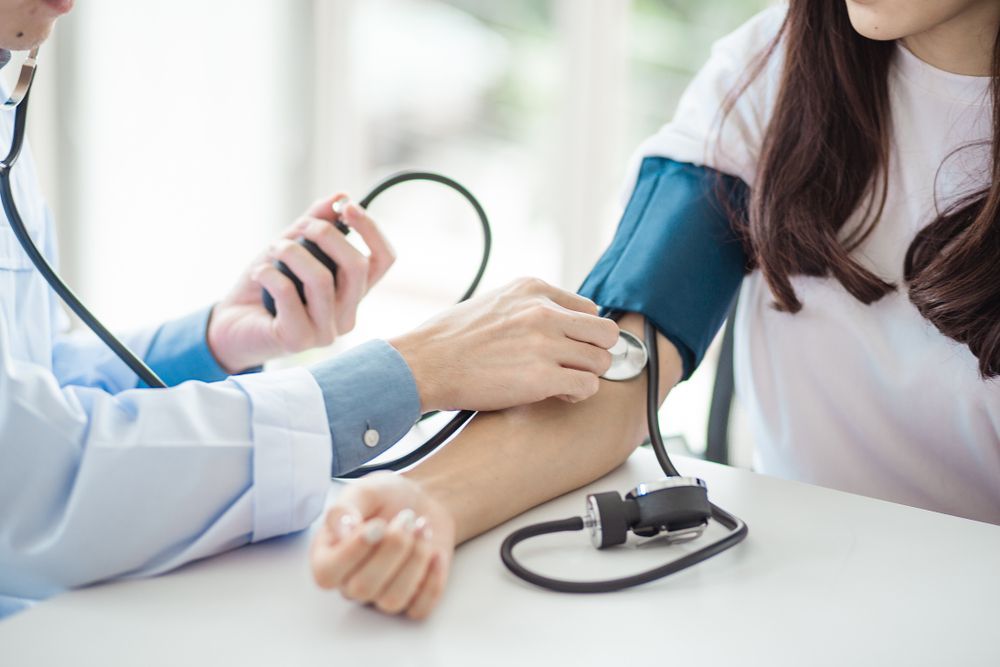
The examination covers the body systems most relevant to safe vehicle control. Expect a vision check including visual acuity (usually reading an eye chart, with and without glasses) and visual fields, a hearing check, blood pressure and heart examination, and a review of muscle strength, joint movement and reflexes to confirm you can physically operate a vehicle. The doctor will also screen for conditions with known driving implications — diabetes and how well it's controlled, epilepsy or blackouts, sleep apnoea and daytime drowsiness, heart conditions, stroke history and cognitive changes in older drivers.
Medications are reviewed too, as some can cause drowsiness or slowed reactions. It's worth bringing your glasses or hearing aids, a list of current medications, any specialist letters about relevant conditions and the form or letter from the licensing authority. Most assessments take a standard consultation, though drivers with complex conditions may need a longer appointment or follow-up tests before the form can be completed.
What the Assessment Involves
A driver's licence medical follows a structured format set by the national medical standards, tailored to your licence type and health circumstances. The doctor reviews your medical history and medications, then examines the areas most relevant to safe driving: vision, hearing, heart health, blood pressure, reflexes, muscle strength and joint movement, along with any conditions that can affect driving such as diabetes, epilepsy, sleep apnoea or heart disease.
Commercial and heavy vehicle drivers are assessed against stricter standards than private drivers, reflecting the longer hours and greater responsibility those licences carry. Older drivers in NSW have their own schedule, with annual medical assessments required from age 75 to keep an unrestricted licence.
Once the examination is complete, the doctor records the findings on the Transport for NSW medical form and discusses the outcome with you, including any conditions, restrictions or follow-up reviews that may apply. If a health issue needs attention before the form can be finalised, your GP explains what's required and how to arrange it.
Send Us a Message
Thank you for contacting HealthHub Taree.
We will get back to you as soon as possible.
Oops, there was an error sending your message.
Please try again later.